Account
 Call Us
 Location

Some accessories protect your child’s violin; others help beginners play comfortably and get more out of practice. From spare strings to a rosin, here are the basics every new violinist should have.
Pro tip: If your child already has a violin, before you shop, check what’s included. A beginner instrument may already come with a bow, case, and rosin.
Must-have items
Spare strings
A spare set of strings is a must for violin players at every level. Strings can break during a lesson or right before a performance. Keeping an extra set in your child’s case can save you an emergency trip to the music store.
Violin strings come with different core materials, including steel, synthetic materials, and gut. If you’re unsure which to buy, ask your child’s teacher what works best for their violin.
Violin bow
A bow is required to learn bowing techniques and play most lesson material. If your child’s violin already comes with one, ask their teacher to check its condition.
Buying separately? A violin seller can help you find a student bow that matches the instrument’s size and your budget. A spare bow can be useful, but beginners don’t usually need a second bow right away.
Shoulder & chin rest
Comfort matters when your child is learning to hold a violin. A chin rest supports their chin or jaw, while a shoulder rest helps support the instrument from below. Some violins come with attached chin rests.
Before buying either a shoulder or chin rest, ask their teacher to check how your child holds the instrument. They can recommend the right support if needed.
Sturdy case
Every violin needs a sturdy, well-fitted case to protect it during storage and travel. Look for a supportive interior, secure closures, and dedicated bow holders. Extra compartments are useful for strings, rosin, and other small accessories.
If you’re concerned about dry conditions, ask your violin seller about humidity control. While a good case protects an instrument, it doesn’t regulate humidity.
Tuner
A tuner shows whether a string’s pitch is too high, too low, or just right and guides beginners while they develop their ear.
A basic electronic tuner or tuner app is fine; your child doesn’t need a complicated model when starting out. However, they do need to learn how to tune safely, so ask their teacher to show them before they tune their pegs.
Metronome
A metronome gives your child a steady beat to follow, helps them practice at a manageable speed, and keeps a consistent tempo. There are multiple metronome options like small electronic metronomes, a tuner with one built in, or an app.
Rosin
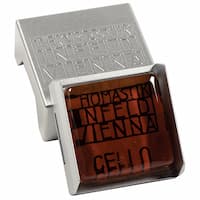
Rosin helps the bow hair grip to make the strings vibrate. It’s made from tree resin like pine, fir, or cedar and sold as a small cake or block. Rosin comes in several types including light and dark rosin. Light rosin generally tends to be harder and less sticky.
When choosing rosin, start with one cake. Buying several kinds at once gets expensive. A single cake lasts for years, and beginners can’t yet tell the difference between formulas.
Nice-to-have extras
Once you’ve got the essentials covered, a few extra accessories can come in handy.
For example, a mute can be used for quieter practice at home. Violin mutes attach to the bridge of a violin to reduce its volume and change its tone. Other useful accessories like a soft cleaning cloth help remove rosin dust after playing. And an accessory pouch can keep spare strings and other small items organized.
The good news is, you don’t need to buy everything at once. Start with the basics, let your child get used to practicing, and add accessories as needed. If you focus on the fun of making music first, you’ll figure out the right accessories as your child’s skills grow.