Account
 Call Us
 Location

Research shows that affordable access to instruments boosts music participation and student growth, particularly for beginners and families. Programs that provide low-cost rentals, used gear, or free community instruments break down those financial barriers.
But is it better to rent or buy an instrument? That depends on your experience, budget, and long-term plans. For new musicians, instrument rentals can be a flexible way to get a quality instrument without paying the full upfront cost.
Flexibility benefits
Access to affordable instruments is about more than just the cost. Research has linked learning music with improved concentration, discipline, teamwork, and creative thinking. Many of these benefits can begin in early childhood. A two-year study of kindergarteners found that weekly music playschool significantly improved sound processing and vocabulary.
Similarly, studies of middle and high school students found that school music program participation is linked to higher standardized test scores and stronger executive function. Yet these opportunities remain out of reach for many aspiring musicians.
Nationally, more than 3.6 million students lack access to music education. These gaps disproportionately affect high-poverty schools, large urban districts, and Black, Hispanic, and Native American students.
Without affordable access to instruments, musicians never start playing, quit early, or abandon music altogether.
Renting versus buying
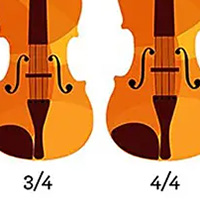
For beginners, renting is a good choice because of the flexibility. Besides the low upfront cost, students can learn an instrument without a long-term commitment. Rental instruments easily accommodate size changes, and some agreements include repairs or upgrades.
Rentals are also important cost savers for families. A student may start with violin and later switch to viola, cello, or another instrument – or even quit playing music. Plus, low monthly payments can leave room in the budget for lessons, books, accessories, and performance fees.
Buying has advantages, but it’s a better fit for experienced players who practice regularly. With buying, musicians can own their instrument, avoid ongoing rental payments, and customize or modify as needed. Over time, buying may also cost less than renting.
Why maintenance matters
Professional maintenance and repairs make all the difference for a beginning student. String instruments need new strings, bow rehairing, and adjustments, while wind instruments require cleaning, replacement parts, and upkeep.
Some rental agreements include routine maintenance, which can reduce unexpected costs.
Instrument quality
The cheapest instrument is not always the best value. Very inexpensive instruments bought online may have problems with tuning, sound, durability, or playability.
Rental shops often provide instruments that have been inspected and adjusted for student use. That gives beginners a better starting point and lets teachers focus on technique instead of equipment problems.
Building stronger community music programs
Rental shops help keep community arts alive by making it easy for schools, churches, youth orchestras, and local ensembles to add new players. Lower costs mean more people can participate without buying an instrument first.
That greater access helps school bands grow and provides adults more ways to join community groups and attend local performances.
Cost & convenience
So, which option is right for you? There’s no one answer for everyone, but renting can make the decision easier.
Rental programs keep costs predictable with monthly payments, maintenance included, and easy swaps when a student needs to size up or wants to try a different instrument. That flexibility is especially useful for younger players, whose needs change as they grow and gain experience.
There’s also the added benefit of long-term enjoyment. Kids who start early continue playing as adults.
No matter how you get started, music is an investment in joy and creativity. Visit your local music shop or explore rental programs today to find the right instrument for you.