Account
 Call Us
 Location

Whether you're walking to lessons, driving to rehearsal, or flying across the country, your instrument is susceptible to damage. However, a little planning goes a long way. With some prep ahead of time, however, your violin transport can be simple and stress-free. This guide covers the basics of travel safety, so your violin always arrives in one piece.
Everyday travel tips
For everyday travel, the safest place for your violin is usually right with you. There are many ways to do that.
For starters, wearing backpacks keeps your hands free for groceries, tickets, or your phone, and makes it less likely you'll leave your instrument behind. A backpack isn't foolproof, though. Watch your clearance when you turn around, squeeze through doorways, or sit down. It's easy to forget your case extends behind you.
Car safety is especially important. Trunk temperatures can rise or drop fast, especially in the summer or winter. That causes serious cracks in the wood and loosens glued joints. Instead, keep your violin inside the car with you. The back-seat floor is often safer because your violin is less likely to slide or fall when you brake. If you do need to use a seat, secure your violin with a seatbelt. Don't stack bags, coats, or groceries on top of it.
Train travel, on the other hand, is relatively simple because you can keep your violin close. If you use an overhead luggage rack, make sure the case is not beneath heavy suitcases or where it can be knocked around. When possible, keep your violin beside you or secured between seats.
Bus travel is trickier because some companies have stricter baggage limits. Contact the bus company ahead of time to ask if your violin can go in the passenger cabin. Avoid placing it in the luggage compartment underneath, since those areas are not temperature-controlled and heavy luggage may move during the trip.
Long-distance travel
Long-distance trips take the most preparation because you have less control over temperature, transit, and people handling your things. Your main goal is to keep your violin with you, especially on flights.
Most major airlines allow small musical instruments in the cabin if they fit in the overhead bin or under seats, but individual policies vary considerably. Budget airlines may have stricter size limits or require you to purchase an additional seat for your instrument.
Before your flight, check the airline's current musical instrument policy. Save it to your phone and bring a printed copy, too. If someone at the gate says your case is too large, you'll have the airline's own policy ready. That doesn't guarantee they'll make space, but it can help.
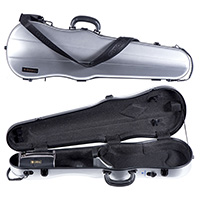
Whenever possible, avoid checking your violin as ordinary baggage. Checked luggage can be exposed to rough handling, extreme temperatures, and pressure from other bags. If an airline requires you to check your instrument, use violin cases made from durable materials like carbon fiber, fiberglass, or polycarbonate.
If you're shipping your violin, don't treat it like an ordinary package. Use a fitted hard case inside a properly padded box, photograph your instrument, and consider getting insurance. Shipping should be a backup when you can't bring your violin — not your first choice.
With the right precautions, traveling with your violin doesn't have to be nerve-racking. Just plan ahead, use a case you trust, and keep it close whenever possible. A little extra prep now means you'll arrive ready to play, wherever the journey takes you.