Account
 Call Us
 Location

When families, students, and advancing musicians shop for a violin, viola, cello, or bass, it’s natural to first look at the label. A well-known brand or maker can provide a sense of confidence, especially when comparing instruments for lessons, school orchestra, auditions, or long-term study. But a name is only part of the story. In everyday playing, instrument setup often has a greater impact on playability, tone, and comfort.
That’s because a properly adjusted instrument responds more reliably and produces a clearer, more balanced sound. By contrast, an expensive instrument can be frustrating if the setup is not right. Strings may sit too high above the fingerboard, the bridge may not be properly fitted, or the instrument may sound uneven from one string to the next. These issues can make practice harder than it needs to be, especially for developing players.
Good instrument setup works with the player instead of against them. For beginners, that can mean fewer struggles with pressing the strings down and producing a clean sound. For intermediate and advanced players, it can mean more control, better projection, and a wider range of musical color.
In many cases, a carefully set-up student instrument can be more rewarding to play than a recognizable name that hasn’t been professionally adjusted. Setup should always be part of the conversation when choosing, renting, maintaining, or upgrading an instrument.
Key setup elements
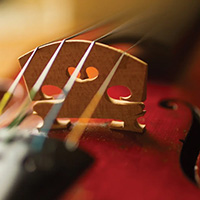
Several important parts work together to shape how a string instrument feels and sounds. One of the most visible is the bridge, which supports the strings and transfers their vibration to an instrument’s body. Because its height, curve, position, and fit all affect playability and tone, correct alignment is important. If the bridge is too high, playing can feel stiff or tiring. If it’s too low or poorly shaped, an instrument may buzz or lose clarity.
The soundpost is another essential part. Positioned inside an instrument, under the bridge, the soundpost helps support the top and influences resonance, balance, and projection. Since the soundpost is delicate, adjustments should be made by a trained professional rather than at home.
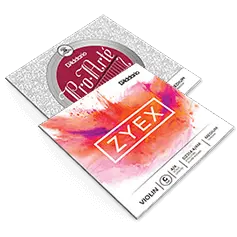
Violin strings also play a major role. The right strings can produce warmth, brilliance, depth, or quicker response, depending on the instrument. But old strings may sound dull or be slow to respond, while strings that are not well matched may make an instrument sound harsh, muted, or uneven.
Other setup details matter as well, including string height, fingerboard condition, nut shape, pegs, tailpiece adjustment, and overall structural health. These elements may seem small individually, but together they determine whether an instrument feels natural, dependable, and enjoyable to play.
Long-term benefits
One of the biggest advantages of quality setup is easier playing. When the strings are at a comfortable height, the bridge is properly shaped, and the instrument responds well, players can focus more on music and less on physical effort. This makes lessons, rehearsals, and daily practice more productive.
Better sound is another lasting benefit. A well set-up instrument produces a more even tone across the strings, clearer articulation, and stronger resonance. Players often notice their instrument responds more quickly and gives them more control over dynamics and expression. For students, this can build confidence. For advancing musicians, it can help reveal an instrument’s full potential.
Regular setup care can also lead to fewer repairs over time. A leaning bridge, poorly fitted parts, slipping pegs, worn strings, or seasonal changes in the wood create bigger problems if ignored. Routine checkups allow a luthier to catch small issues before they turn into costly repairs. This is especially valuable in climates where humidity and temperature shift throughout the year.
Ultimately, the best instrument is not always the one with the most familiar name. It’s the one that’s properly adjusted, comfortable to play, and capable of producing a sound that inspires the musician. Whether you’re choosing a first rental, upgrading a student instrument, or maintaining a long-loved violin, viola, cello, or bass, professional setup is one of the most important investments you can make.
Brand name may help you begin the search, but setup shapes the experience every time you play.